
You know what drives me crazy?
People spend hundreds of dollars on kratom powder without understanding what they are actually buying.
They see a flashy website, read a few reviews, and hit “checkout.” Three days later, they are staring at a bag of powder wondering why it does not work like they expected.
Here is the truth: Not all kratom is created equal.
The quality gap between the best kratom brands and the cheap stuff is massive. We are talking about differences in alkaloid content, freshness, contamination risk, and effectiveness.
So how do you navigate this market without wasting your money? It is actually simpler than you think. You just need to understand three things: the types of kratom available, what makes a strain different, and how to spot quality suppliers.
Let me break it down.
What Makes Kratom Different From Other Botanicals?
Kratom comes from the Mitragyna speciosa tree, native to Southeast Asia. But here is what most people miss: the alkaloid profile changes dramatically based on where it grows, when it is harvested, and how it is processed.
The two primary alkaloids are mitragynine and 7-hydroxymitragynine. The ratio between these compounds determines the effects you experience.
Think of it like coffee. You would not expect gas station coffee to taste like a single-origin Ethiopian blend, right? Same principle applies here.
The Three Main Types of Kratom Powder
Red Vein Kratom
Red vein kratom is the most popular type on the market. The leaves are harvested at full maturity, which gives them higher concentrations of 7-hydroxymitragynine.
Why people choose red vein:
- Longer-lasting effects
- Higher alkaloid maturity
- More sedating properties
- Popular evening choice
The best kratom vendors source their red vein from mature trees in Indonesia and Thailand. Quality matters here more than anywhere else because immature leaves will not deliver the same alkaloid profile.
White Vein Kratom
White vein kratom comes from younger leaves. The alkaloid balance skews toward mitragynine, which creates a different experience entirely.
White vein characteristics:
- Harvested earlier in the growth cycle
- Higher mitragynine content
- More stimulating effects
- Morning and daytime preference
If you buy white vein from a low-quality supplier, you are likely getting mixed batches or older product that has oxidized. The color should be light, almost creamy. Dark white vein powder is a red flag.
Green Vein Kratom
Green vein sits right in the middle. It is harvested between the white and red stages, creating a balanced alkaloid profile.
What makes green vein unique:
- Moderate alkaloid balance
- Versatile timing
- Balanced effects
- Good starting point for beginners
Most people start with green vein because it is the most forgiving. You get a sense of kratom’s range without committing to either extreme.
Understanding Kratom Strains (And Why Names Can Be Misleading)
Here is something the industry does not talk about enough: strain names are often marketing.
You will see names like “Maeng Da,” “Bali,” “Borneo,” and “Thai.” While some of these names reference actual growing regions, many are just branding created by vendors.
What Actually Matters in Strain Selection
Growing region: Indonesian kratom differs from Thai kratom due to soil composition and climate.
Vein color: This is your primary indicator of alkaloid profile.
Harvest timing: Seasonal variations affect potency significantly.
Processing method: How the leaves are dried changes the final product.
The best kratom brands are transparent about sourcing. They tell you exactly where the kratom was grown, when it was harvested, and how it was processed. If a vendor cannot answer these questions, walk away.
How to Identify Quality Kratom Powder
Look, I have seen people get burned by bad kratom too many times. The market is flooded with subpar products, and if you do not know what to look for, you will waste your money.
Visual Inspection
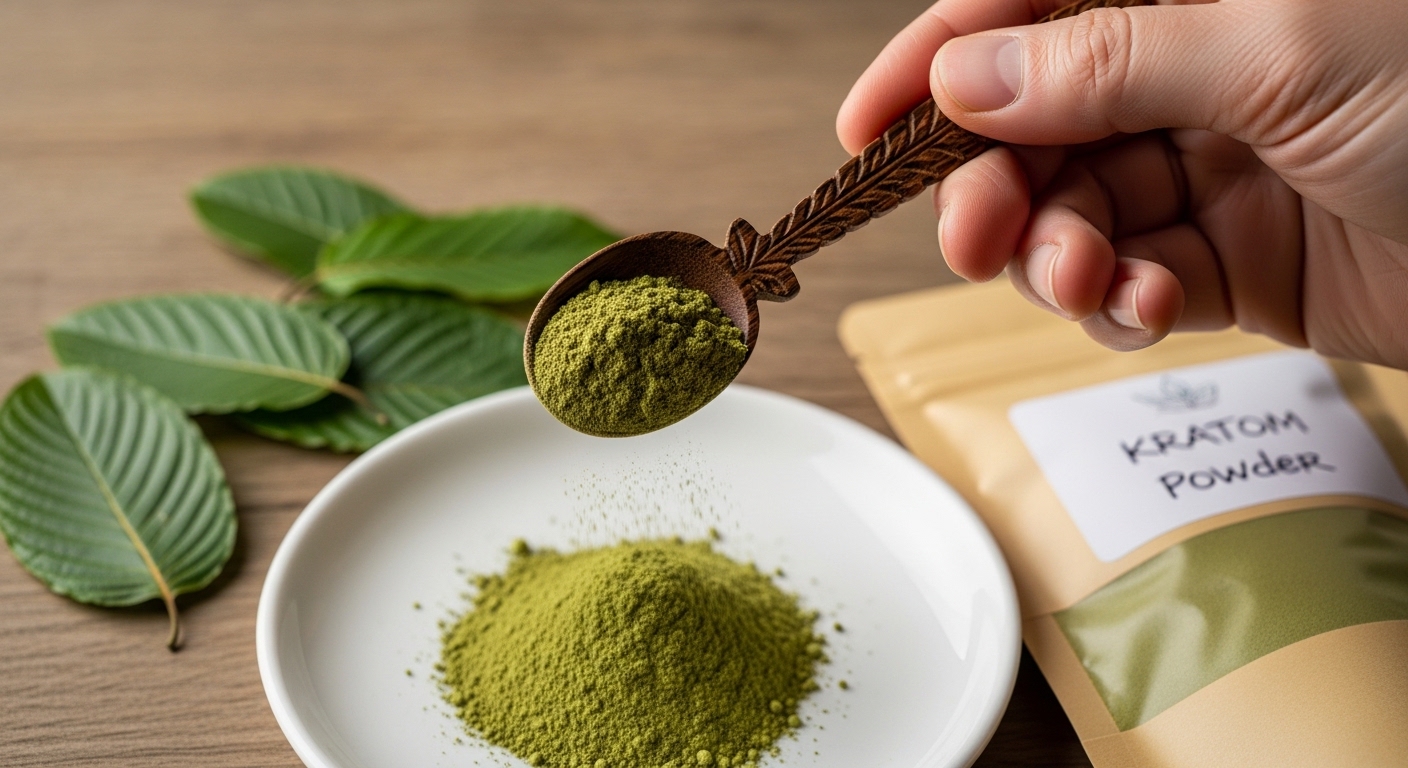
Quality kratom powder has distinct visual characteristics:
- Fine, consistent texture (not grainy or clumpy)
- Vibrant color matching the vein type
- No visible stems or debris
- Fresh, earthy smell (not musty or moldy)
If your powder looks dull or smells off, that is oxidation. The alkaloids have degraded, and you are not getting what you paid for.
Lab Testing Requirements
This is non-negotiable. The best kratom brands provide third-party lab testing for every batch.
What tests should be performed:
| Test Type | What It Checks | Why It Matters |
|---|---|---|
| Alkaloid Content | Mitragynine & 7-OH levels | Verifies potency |
| Heavy Metals | Lead, mercury, arsenic | Safety screening |
| Microbial | Bacteria, mold, yeast | Contamination check |
| Adulterants | Synthetic compounds | Purity verification |
If a vendor does not publish current lab results, assume the worst. Testing costs money, and quality suppliers invest in it because they have nothing to hide.
The Smart Buyer’s Checklist
Before you buy kratom powder from any vendor, run through this checklist:
Transparency:
- Clear sourcing information
- Published lab results
- Detailed product descriptions
- Responsive customer service
Business Practices:
- Professional website
- Secure payment processing
- Clear return policy
- Educational content (not just sales pitches)
Product Quality:
- Fresh harvest dates
- Proper packaging (sealed, light-protected)
- Consistent batch quality
- Fair pricing (too cheap is a warning sign)
The best kratom brands check every box. They treat this like a legitimate business because they understand that quality builds long-term customer relationships.
How Much Should You Actually Pay?
Pricing varies, but here is the reality: quality kratom powder typically costs between $80 to $150 per kilogram from reputable vendors.
Break that down per dose, and you are looking at reasonable costs for a quality product. Anything significantly cheaper raises questions about sourcing and testing.
The best kratom brands often offer bulk discounts, but their per-gram pricing reflects the investment in quality control, testing, and proper sourcing.
Storage Tips That Preserve Quality
You just spent good money on quality kratom. Do not ruin it with poor storage.
Proper storage requirements:
- Airtight containers (mason jars work great)
- Cool, dark location
- Low humidity environment
- Away from direct sunlight
- Sealed original packaging until use
Kratom alkaloids degrade over time, especially when exposed to oxygen and UV light. Proper storage can keep your powder fresh for 1-3 months easily.
Conclusion
Buying quality kratom powder is not complicated, but it does require attention to detail.
Focus on three things: verified lab testing, transparent sourcing, and consistent quality. The best kratom brands make this information readily available because they are proud of their product.
Frequently Asked Questions
What is the difference between kratom powder and kratom capsules?
Kratom powder is the raw, ground leaf material, while capsules contain measured doses of powder in gelatin or vegetable shells. Powder is more cost-effective and faster-acting, but capsules offer convenience and pre-measured dosing. The best kratom brands offer both options with identical quality standards.
How long does kratom powder stay fresh?
Properly stored kratom powder maintains potency for 1-3 months, though some users report effectiveness up to a year. Store in airtight containers away from light, heat, and moisture. Alkaloid degradation accelerates with exposure to oxygen and UV light, so proper storage is critical for maintaining quality.
Can you tell kratom quality just by looking at it?
Visual inspection provides clues but is not definitive. Quality powder should have fine, consistent texture and vibrant color matching the vein type. However, only third-party lab testing can verify alkaloid content, purity, and safety. Never rely on appearance alone when evaluating kratom quality.
Why do prices vary so much between kratom vendors?
Price differences reflect sourcing quality, testing investment, business overhead, and profit margins. The best kratom brands invest in direct farm relationships, comprehensive testing, and quality control. Extremely low prices often indicate shortcuts in testing, sourcing, or storage that compromise product quality.
What should I do if kratom powder smells musty or looks discolored?
Musty smells and discoloration indicate contamination, mold, or significant oxidation. Do not consume compromised kratom. Contact the vendor immediately for a refund or replacement. Reputable suppliers stand behind their product quality and will address legitimate quality concerns promptly.