
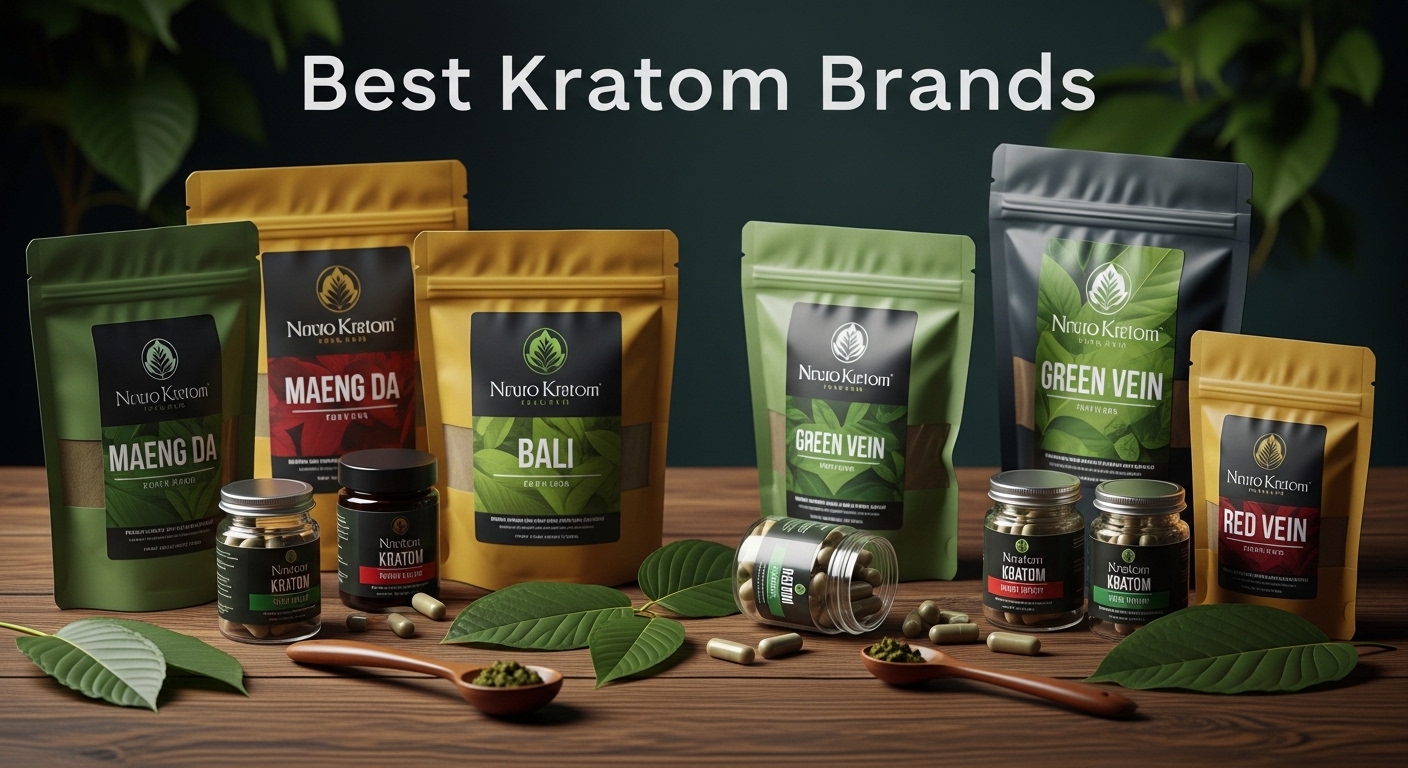
Most kratom vendors are selling you weak powder at premium prices, hiding behind flashy websites and fake lab reports. The truth is, finding a reliable kratom brand shouldn’t feel like gambling with your paycheck. You need clean product, consistent effects, and honest pricing—not marketing nonsense.
The best kratom brands share specific qualities that separate them from the hundreds of sketchy operations flooding the market. This guide shows you exactly what to look for and which vendors actually deliver.
- The five non-negotiable standards every quality kratom brand must meet
- How to spot fake lab testing and vendor red flags instantly
- Which specific brands consistently deliver clean, potent kratom
- The smart way to test a new vendor without wasting money
- How pricing actually works when you’re not getting scammed
What Makes a Kratom Brand Worth Your Money
Stop wasting money on brands that can’t prove their quality.
The bottom line: a legitimate kratom vendor must clear five basic hurdles. If they fail even one, walk away.
Third-Party Lab Testing (The Non-Negotiable)
Real talk: if a vendor doesn’t publish current lab reports for every batch, they’re hiding something.
Quality brands test for:
- Heavy metals (lead, arsenic, mercury)
- Microbial contamination (salmonella, E. coli)
- Alkaloid content (mitragynine and 7-hydroxymitragynine levels)
The lab reports should be recent, specific to the batch you’re buying, and from an independent laboratory. Not their cousin’s “testing facility.”
Sourcing Transparency
You need to know where your kratom comes from. Period.
The best kratom brands work directly with farmers in Southeast Asia—primarily Indonesia, Malaysia, and Thailand. They should tell you:
- Which country and region the kratom originates from
- How long they’ve worked with their suppliers
- Their quality control process at the source
If they’re vague about sourcing, they’re probably buying cheap bulk powder from random middlemen.
Customer Service That Actually Responds
Here’s how to test this before you buy: email them a specific question about alkaloid content or batch testing.
Quality vendors respond within 24 hours with actual information. Garbage vendors send copy-paste marketing or ignore you completely.
Fair Pricing Structure
The smart way to evaluate pricing: divide the total cost by grams to get your per-gram rate.
Typical market rates for quality kratom:
- Bulk powder (250g+): $0.04-$0.08 per gram
- Standard powder (100g): $0.08-$0.12 per gram
- Capsules: $0.15-$0.25 per gram
If you’re paying more than this, you’re funding their Instagram ads, not getting better product.
Product Variety and Stock Consistency
The best kratom brands maintain consistent stock of core strains. They don’t constantly run out or push “exclusive limited drops” to create fake urgency.
You want vendors who stock:
- Red, green, and white vein varieties
- Multiple strain origins (Maeng Da, Bali, Borneo, etc.)
- Different formats (powder, capsules, extracts)
Top Kratom Brands That Pass the Test
These vendors consistently deliver clean product with verified testing. They’re not perfect, but they clear the basic quality standards.
Premium Tier: Best for Consistency
What defines this tier: Extensive lab testing, direct farm relationships, premium customer service, and higher prices that reflect actual quality.
These brands charge more, but you’re paying for:
- Batch-specific alkaloid testing
- Same-day shipping options
- Detailed strain information
- Responsive support teams
Who this works for: You use kratom daily for work and can’t afford inconsistent batches. You value reliability over saving a few dollars.
Mid-Tier: Best Value for Regular Users
What defines this tier: Solid lab testing, good sourcing, fair prices, and reliable stock.
The smart way to use mid-tier vendors: buy in bulk to maximize value. Most offer significant discounts at 250g or 500g quantities.
Who this works for: You’ve dialed in your dosage and strain preferences. You want quality without premium pricing.
Budget Tier: Best for Testing New Strains
What defines this tier: Basic lab testing, acceptable quality, lowest prices.
Don’t be a regular customer here. Use budget vendors strategically to test new strains before committing to larger purchases from premium vendors.
Who this works for: You’re experimenting with different strains or need a backup option when your primary vendor is out of stock.
Red Flags That Scream “Bad Vendor”
Here’s how to spot garbage vendors in 30 seconds:
Marketing Over Substance
If their website talks more about “ancient traditions” and “wellness journeys” than alkaloid content and testing protocols, run.
Quality vendors lead with data. Sketchy vendors lead with feelings.
Outrageous Claims
No kratom brand can legally claim their product:
- Treats or cures diseases
- Is FDA-approved
- Works better than prescription medications
If they’re making medical claims, they’re either ignorant or dishonest. Either way, don’t give them money.
No Batch Numbers or Dates
Every package should have a batch number that matches published lab reports. No batch tracking means no accountability.
Fake Reviews and Testimonials
Look for these warning signs:
- Every review is 5 stars with generic praise
- No negative reviews anywhere online
- Reviews don’t mention specific strains or effects
- Customer photos look like stock images
Real vendors have some complaints. Perfect review scores are fake.
Pressure Tactics and Flash Sales
“Only 3 bags left!” “Sale ends in 2 hours!” “Secret strain available for VIP members only!”
Stop falling for this. Quality vendors don’t need to manufacture urgency. They have good product at fair prices, consistently.
How to Test a New Kratom Brand Without Getting Burned
The proven method for evaluating any vendor:
Step 1: Start Small
Order the minimum quantity of one strain. Don’t buy variety packs or bulk orders on your first purchase.
You’re testing three things:
- Shipping speed and packaging quality
- Product freshness and potency
- Customer service responsiveness
Step 2: Verify the Lab Reports
Before you even open the package:
- Find the batch number on your product
- Locate the matching lab report on their website
- Verify the test date is recent (within 3-6 months)
- Check that alkaloid percentages are listed
If the batch numbers don’t match or reports are outdated, contact customer service immediately.
Step 3: Test the Product
Use your normal dosage with the new vendor’s product. Don’t change multiple variables.
Document:
- How it compares to your current vendor
- Whether effects match the strain description
- Any quality issues (smell, texture, taste)
Step 4: Evaluate the Complete Experience
After your first order, ask yourself:
- Did shipping meet their promised timeline?
- Was the product fresh and properly sealed?
- Did effects match your expectations?
- Would you trust this vendor for regular orders?
If any answer is “no,” find a different vendor. There are too many options to settle for mediocre.
What You’re Actually Paying For
Here’s the deal: understanding vendor costs helps you spot fair pricing versus price gouging.
Cost Breakdown for Quality Kratom
What legitimate vendors pay for:
| Cost Factor | Impact on Price |
|---|---|
| Raw kratom from farms | 20-30% |
| Lab testing per batch | 10-15% |
| Packaging and labeling | 5-10% |
| Shipping and fulfillment | 15-20% |
| Business operations | 20-30% |
| Profit margin | 10-20% |
When you’re paying premium prices, you’re funding better sourcing relationships, more extensive testing, and actual customer service.
When you’re paying budget prices, corners are getting cut somewhere. The question is where.
The Real Cost of Cheap Kratom
Buying the cheapest option available costs you more long-term:
- Inconsistent potency means wasting product finding the right dose
- Contaminated batches risk your health
- Poor customer service leaves you stuck with bad orders
- Unreliable stock forces you to constantly find new vendors
The smart way: find a mid-tier vendor with proven quality and stick with them.
Strain Selection: What Actually Matters
Stop overthinking strain names. Here’s what you need to know.
The Truth About Strain Names
Most strain names are marketing. “Super Ultra Mega Premium Maeng Da” isn’t a real thing.
What actually affects your experience:
- Vein color (red, green, white)
- Freshness of the product
- Alkaloid content from lab testing
- Your individual biochemistry
The region names (Bali, Borneo, Maeng Da, etc.) indicate general growing conditions, but batch-to-batch variation matters more than the name on the bag.
How to Choose Strains Effectively
For focus and productivity:
- Start with white or green vein varieties
- Look for mitragynine content above 1.2%
- Test during a non-critical workday first
For relaxation and stress:
- Try red vein varieties
- Higher 7-hydroxymitragynine ratios work better
- Evening testing prevents work disruption
For beginners:
- Green vein Maeng Da or Bali
- Mid-range alkaloid content
- Small doses (2-3 grams) to assess tolerance
Building Your Vendor Rotation
Don’t rely on a single kratom brand. Here’s the smart way to manage your supply.
The Two-Vendor System
Primary vendor: Your go-to source for regular orders. Proven quality, consistent stock, fair prices.
Backup vendor: Secondary option when your primary is out of stock or for testing new strains.
This system prevents panic buying from sketchy vendors when your favorite strain is unavailable.
When to Switch Vendors
Consider changing your primary vendor if:
- Quality becomes inconsistent across multiple orders
- Lab testing frequency decreases or stops
- Customer service deteriorates
- Prices increase without quality improvements
- Stock issues become chronic
Loyalty to vendors only makes sense when they maintain their standards.
Questions to Ask Before You Buy
Copy this checklist. Use it for every new vendor.
Quality and Testing:
- Do you publish third-party lab reports for every batch?
- How often do you test your products?
- Which laboratory conducts your testing?
- Can I see the lab report for the specific batch I’m ordering?
Sourcing:
- Where does your kratom come from?
- How long have you worked with your suppliers?
- Do you visit your farms personally?
Business Practices:
- What’s your return policy?
- How do you handle contaminated or mislabeled products?
- What’s your typical shipping timeline?
- Do you offer any quality guarantees?
If they can’t answer these questions clearly, they don’t deserve your business.
Common Mistakes That Waste Your Money
Buying Based on Website Design
A pretty website means they spent money on design, not necessarily on quality kratom.
Some of the best vendors have basic websites. Some of the worst have beautiful ones.
Judge vendors by their lab reports and product quality, not their Instagram aesthetic.
Chasing “Exclusive” or “Rare” Strains
“Limited edition harvest from secret mountain farms” is marketing garbage.
The best kratom brands focus on consistent quality in standard strains, not manufactured scarcity in “exclusive” varieties.
Ignoring Your Own Experience
If a vendor’s product doesn’t work for you, it doesn’t matter how many Reddit threads praise them.
Your biochemistry is unique. Trust your own testing over internet hype.
Buying in Bulk Before Testing
Never order more than 100g from a new vendor, regardless of bulk discounts.
Saving 20% on a kilogram of garbage kratom isn’t a deal.
Take Control of Your Kratom Purchases
Stop letting vendors take advantage of you.
The bottom line: finding the best kratom brands requires basic due diligence, not rocket science. Verify lab testing, start with small orders, and trust your experience over marketing hype.
Your action plan:
- This week: Verify your current vendor publishes batch-specific lab reports
- This month: Test one new vendor using the small-order method
- Ongoing: Build a two-vendor rotation for consistent supply
Quality kratom exists at fair prices. You just need to know what to look for and refuse to settle for less.
The vendors who pass these standards earn your business. Everyone else is wasting your time and money.