
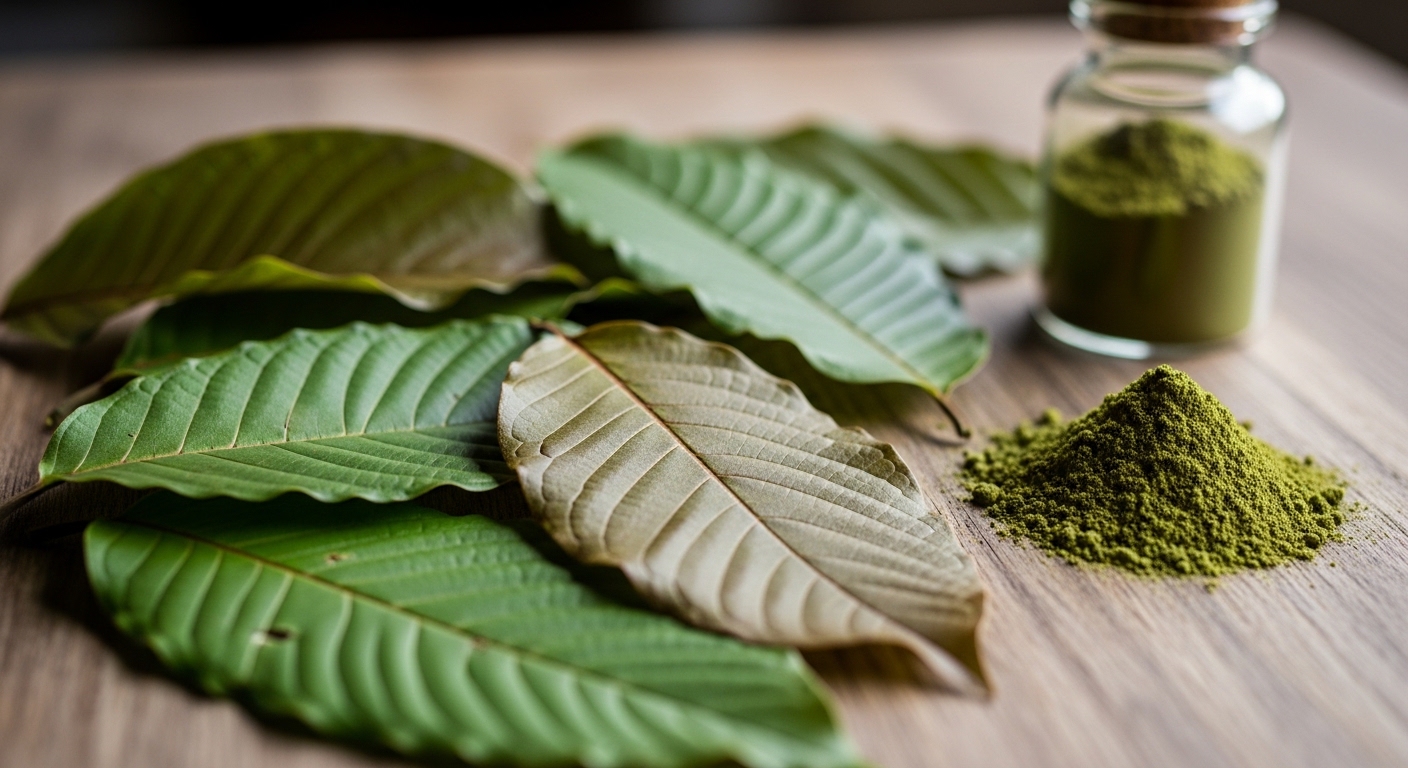
You just spent $50 on kratom powder.
You open the bag, and it smells like grass clippings. The color is off. And when you try it? Nothing. No effect. Just disappointment.
Here’s the truth: Most people waste money on low-quality kratom because they don’t know what to look for.
The kratom market is flooded with vendors. Some are legitimate. Many are not. And the difference between premium kratom and garbage comes down to three things: sourcing, testing, and transparency.
Look, buying kratom doesn’t have to be complicated. But if you skip the basics, you’re gambling with your money and your safety.
This article will show you exactly how to identify the best kratom brands, choose quality strains, and avoid the traps that catch most first-time buyers.
What Actually Makes Kratom “Quality”?
Not all kratom powder is created equal.
The quality depends on where it’s grown, how it’s harvested, and how it’s processed. Alkaloid content is what matters most. Specifically, mitragynine and 7-hydroxymitragynine. These are the active compounds that determine potency.
Here’s what separates premium kratom from the cheap stuff:
- Origin: The best kratom comes from mature trees in Southeast Asia, particularly Indonesia, Malaysia, and Thailand.
- Harvesting: Leaves must be picked at peak maturity. Too early or too late, and the alkaloid profile suffers.
- Processing: Proper drying and grinding preserves alkaloids. Poor processing destroys them.
- Testing: Third-party lab testing confirms purity and alkaloid levels.
If a vendor can’t tell you where their kratom comes from or show you lab results, walk away.
The Three Non-Negotiables When Choosing the Best Kratom Brands
Most buyers focus on price. That’s a mistake.
Price tells you nothing about quality. A $20 bag might be better than a $60 bag if the expensive one is old, contaminated, or poorly stored.
Instead, focus on these three factors:
1. Third-Party Lab Testing
This is the single most important factor.
Lab testing confirms:
- Alkaloid content
- Absence of heavy metals (lead, mercury, arsenic)
- No microbial contamination (salmonella, E. coli)
- No adulterants or fillers
The best kratom vendors publish Certificates of Analysis (COAs) for every batch. These should be recent, specific to the product you’re buying, and conducted by an independent lab.
If a vendor says “we test our kratom” but doesn’t show you the results? Red flag.
2. Transparency About Sourcing
Where does the kratom come from?
Premium vendors will tell you the exact region, the farm, and sometimes even the specific trees. They’ll explain their relationship with farmers and how they ensure consistent quality.
Vague answers like “sourced from Southeast Asia” aren’t good enough. That’s like saying your coffee is “from somewhere warm.”
3. Customer Reviews and Reputation
Check Reddit. Check forums. Check independent review sites.
The kratom community is vocal. If a vendor is selling contaminated product or running scams, people will talk about it.
Look for patterns in reviews:
- Consistent positive feedback about potency
- Fast shipping and good customer service
- Transparency when issues arise
One or two bad reviews aren’t a dealbreaker. But if you see repeated complaints about weak product or contamination, move on.
How to Pick the Right Kratom Strain for Your Needs
Kratom strains are categorized by vein color and origin.
The three main vein colors are:
| Vein Color | Common Effects | Best For |
|---|---|---|
| Red | Relaxing, calming | Evening use, stress relief |
| White | Energizing, stimulating | Morning use, focus |
| Green | Balanced, moderate | All-day use, versatility |
But here’s what most articles won’t tell you: Strain names are often marketing.
“Maeng Da,” “Bali,” “Borneo” – these names don’t always reflect the actual origin. They’re often just labels vendors use to differentiate products.
What matters more than the name is the alkaloid profile. Two “Maeng Da” strains from different vendors can have completely different effects.
Start With Green Strains
If you’re new to kratom, start with a green vein strain.
Green strains offer a middle ground. They’re not too stimulating, not too sedating. They give you a baseline to understand how your body responds.
Once you know how green strains affect you, experiment with red or white strains based on your needs.
The Biggest Mistakes People Make When Buying Kratom
I see the same mistakes over and over.
Mistake 1: Buying Based on Price Alone
Cheap kratom is cheap for a reason.
It’s either old, low-quality, or contaminated. Sometimes all three.
Premium kratom costs more because it’s sourced responsibly, tested thoroughly, and stored properly. You’re paying for safety and effectiveness.
Mistake 2: Ignoring Lab Results
If a vendor doesn’t provide lab results, you have no idea what you’re buying.
You could be getting kratom with low alkaloid content. Or worse, kratom contaminated with heavy metals or bacteria.
Never buy kratom without seeing recent lab results.
Mistake 3: Buying in Bulk Before Testing
You found a vendor with great prices. You order 500 grams.
Then you try it, and it’s weak. Or it doesn’t agree with you.
Now you’re stuck with a pile of useless powder.
Always order a small amount first. Test it. Make sure it works for you. Then buy in bulk.
Red Flags That Scream “Avoid This Vendor”
Some vendors make it obvious they’re not trustworthy.
Watch out for these warning signs:
- No lab testing: If they don’t test, they don’t care about your safety.
- Outrageous health claims: Kratom is not a miracle cure. Vendors who claim it cures diseases are lying (and breaking the law).
- No contact information: Legitimate businesses have real addresses and phone numbers.
- Pressure tactics: “Limited time offer!” “Last chance!” These are sales tricks, not quality indicators.
- Suspiciously low prices: If it’s half the price of everyone else, there’s a reason.
Trust your gut. If something feels off, it probably is.
How to Evaluate Kratom Powder Quality When It Arrives
You’ve done your research. You ordered from a reputable vendor. The package arrives.
Now what?
Here’s how to evaluate quality:
Visual Inspection
Good kratom powder should be:
- Fine and consistent: No clumps, stems, or debris
- Vibrant color: Bright green (for green/white strains) or deep red-brown (for red strains)
- Fresh smell: Earthy, slightly bitter, but not musty or moldy
If the powder looks dull, smells weird, or has visible contaminants, contact the vendor immediately.
Test a Small Dose
Start with a low dose (1-2 grams) to assess potency and how your body responds.
Quality kratom should produce noticeable effects within 20-40 minutes. If you feel nothing, the alkaloid content is probably low.
Check the Packaging
Premium vendors use:
- Resealable bags to maintain freshness
- Batch numbers for traceability
- Expiration dates (kratom doesn’t expire quickly, but it does degrade over time)
- Clear labeling with strain name, vein color, and origin
Poor packaging suggests poor quality control across the board.
Storage Tips to Maintain Kratom Quality
Even the best kratom will degrade if stored improperly.
Follow these storage rules:
- Keep it airtight: Exposure to air degrades alkaloids.
- Store in a cool, dark place: Heat and light accelerate degradation.
- Avoid moisture: Kratom powder will mold if it gets wet.
- Use within 6-12 months: While kratom can last years, potency decreases over time.
Proper storage ensures you get the full value from your purchase.
Conclusion: Your Next Steps to Buying Quality Kratom
Buying kratom doesn’t have to be confusing.
Focus on the fundamentals: lab testing, transparent sourcing, and vendor reputation.
Start with a small order from a reputable vendor. Check the lab results. Inspect the product. Test it carefully.
When you find a vendor you trust, stick with them. Consistency matters more than chasing the cheapest price or the latest trendy strain.
The kratom market has plenty of garbage. But it also has exceptional products from vendors who care about quality and safety.
Do your homework. Ask questions. And never compromise on testing and transparency.
What’s the first thing you’ll check when evaluating your next kratom vendor?